
Football Manager is a game built around details. From player attributes to tactical balance, long-term success often depends on understanding how the human body moves, adapts and performs under different conditions.
While FootballManagerGuru focuses primarily on gameplay, tactics and mechanics, we occasionally publish external resources related to health, movement and physical development, topics that are increasingly relevant for gamers, parents and long-term players.
One area that has gained significant attention in recent years is natural movement and foot development in children. Understanding how the body develops from an early age helps build awareness not only for real-life wellbeing, but also for how physical mechanics are represented inside Football Manager.
The following article explores why minimalist footwear is changing the way children walk, focusing on biomechanics, sensory feedback and long-term health.
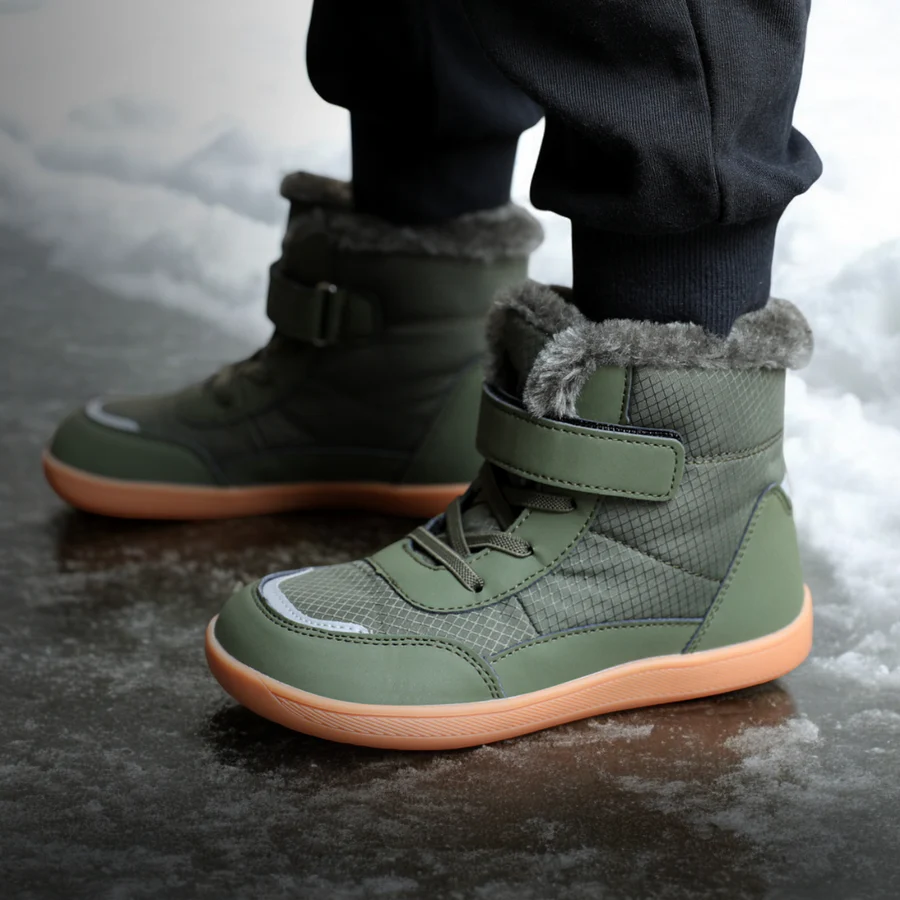
Watching a child take their first steps is a milestone that marks the beginning of a lifetime of movement. While the traditional instinct is often to reach for the most structured and “supportive” sneakers available, recent shifts in pediatric health suggest that the closer we stay to nature, the better. Investing in quality barefoot shoes for kids has become a priority for families who want to ensure that their little ones develop strong, resilient feet without the constraints of rigid footwear. By mimicking the sensation of walking without shoes while providing essential protection from the elements, these minimalist options allow the foot to function exactly as nature intended during its most critical stages of growth.
Understanding the anatomy of a growing foot
To appreciate why minimalist footwear is gaining such traction, it is essential to understand that a child’s foot is not just a smaller version of an adult’s. At birth, the human foot contains no bones at all; instead, it is a complex structure of soft, pliable cartilage. Over the course of the first eighteen years of life, this cartilage gradually ossifies, turning into the 26 bones and dozens of joints that make up the adult foot.
Because the feet are so soft in the early years, they are incredibly susceptible to being reshaped by their environment. If a child is consistently placed in narrow, stiff, or heavy shoes, the foot will naturally conform to that shape. This can lead to a host of issues later in life, including bunions, hammertoes, and a weakened arch. Allowing the foot to expand and move freely is not just about comfort; it is about ensuring the structural integrity of the entire body’s foundation.
The role of the sensory system
The soles of our feet are packed with thousands of nerve endings. These receptors provide the brain with a constant stream of information about the terrain whether it is sloped, slippery, hard, or soft. This “proprioception” is what allows a child to develop balance and coordination. When we put children in thick, cushioned soles, we essentially “mute” this feedback. The child’s brain receives a muffled signal, which can lead to clumsiness or a less stable gait. Minimalist footwear keeps this sensory loop open, encouraging the brain and body to work in harmony.
The core pillars of minimalist design
What exactly makes a shoe “barefoot”? It isn’t just about being thin. A truly healthy shoe for a developing child must adhere to several specific design principles that prioritize natural biomechanics over fashion trends.
1. The wide toe box
Most modern shoes are designed with a tapered front that squeezes the toes together. In contrast, healthy footwear features a wide, foot-shaped toe box. This allows the toes especially the big toe to splay naturally. When the big toe can sit straight, it acts as a powerful anchor for balance and helps the arch of the foot form correctly.
2. Zero-drop soles
In the world of footwear, “drop” refers to the height difference between the heel and the ball of the foot. Even a small “sporty” heel can tilt a child’s pelvis forward and alter their entire posture. A zero-drop sole is completely flat, ensuring that the child’s weight is distributed evenly across the foot, promoting a neutral spine and healthy alignment of the knees and hips.
3. Maximum flexibility
A child’s foot needs to bend and twist. If a shoe is too stiff, the muscles in the foot don’t have to do any work, causing them to atrophy over time. A good minimalist shoe should be flexible enough to be rolled into a ball or twisted like a towel. This flexibility forces the intrinsic muscles of the foot to engage with every step, building a strong, self-supporting arch.
Debunking the myth of “arch support”
For decades, the prevailing wisdom was that children needed “arch support” to prevent flat feet. However, modern research is increasingly showing the opposite to be true. The arch of the foot is a dynamic structure made of muscles, tendons, and ligaments. Like any other muscle in the body, it needs exercise to grow strong.
When a shoe provides artificial support, it essentially acts as a crutch. The muscles that should be holding up the arch become lazy because the shoe is doing the work for them. By stripping away this unnecessary support, we allow the foot to develop its own strength. Studies have shown that children who spend more time barefoot or in minimalist footwear tend to have stronger arches and fewer foot deformities than those who wear traditional, restrictive shoes.
Transitioning to a minimalist lifestyle
If your child has spent years in traditional sneakers, jumping straight into ultra-thin soles for high-impact activities might cause some initial muscle soreness. The transition should be handled with care to allow the tendons and muscles to adapt to their new range of motion.
- Start at home: The best “shoe” is no shoe at all. Encourage your child to be barefoot indoors as much as possible.
- Focus on the fit: When moving to minimalist styles, ensure there is about 1 to 1.2 centimeters of “wiggle room” at the front of the shoe. This allows the foot to slide forward naturally during movement without hitting the front.
- Listen to the body: If your child complains of tired feet, let them rest. They are using muscles they haven’t used in a long time!
Practical considerations for parents
While the health benefits are clear, parents often worry about the practical side of minimalist footwear. Can they handle a playground? Will they keep feet warm in the winter?
Modern minimalist designs are surprisingly resilient. Many use high-tech puncture-resistant rubbers that protect against glass or sharp rocks while remaining thin enough to feel the ground. For colder climates, you can find options with thermal insoles and waterproof membranes that provide warmth without sacrificing the zero-drop or wide-toe-box principles.
Ultimately, the goal is to provide a protective layer that doesn’t interfere with the foot’s natural function. By choosing footwear that respects the biology of the human body, you are giving your child a foundation of strength and mobility that will serve them well into adulthood. It is an investment in their long-term health, one step at a time.
Conclusion
Movement quality, balance and physical development are fundamental elements both in real life and in Football Manager’s simulation of player performance. While this article focuses on children and real-world biomechanics, the underlying principles of natural movement, balance and muscular development are concepts that Football Manager players encounter constantly through attributes, injuries and long-term progression.
FootballManagerGuru publishes selected external resources like this one to broaden perspective on health, movement and physical foundations that indirectly shape how performance is represented in the game.
For readers interested in Football Manager mechanics, attributes and long-term development, you can return to the homepage of FootballManagerGuru to explore guides and tactical content focused entirely on gameplay.